Unleashing Performance: The Definitive Guide to Improving Your Jetta 4 Engine
Releasing driving capability in the Jetta 4 powertrain calls for a strategic approach to upgrades. By concentrating on critical upgrades, enthusiasts can improve both output and fuel economy. From upgraded air intake systems to ECU remapping, each enhancement contributes significantly. Understanding the nuances of these components is essential for achieving the best results. As the build develops, the selections chosen will profoundly affect the driving experience. Which upgrades provide the most effective balance between performance and durability?
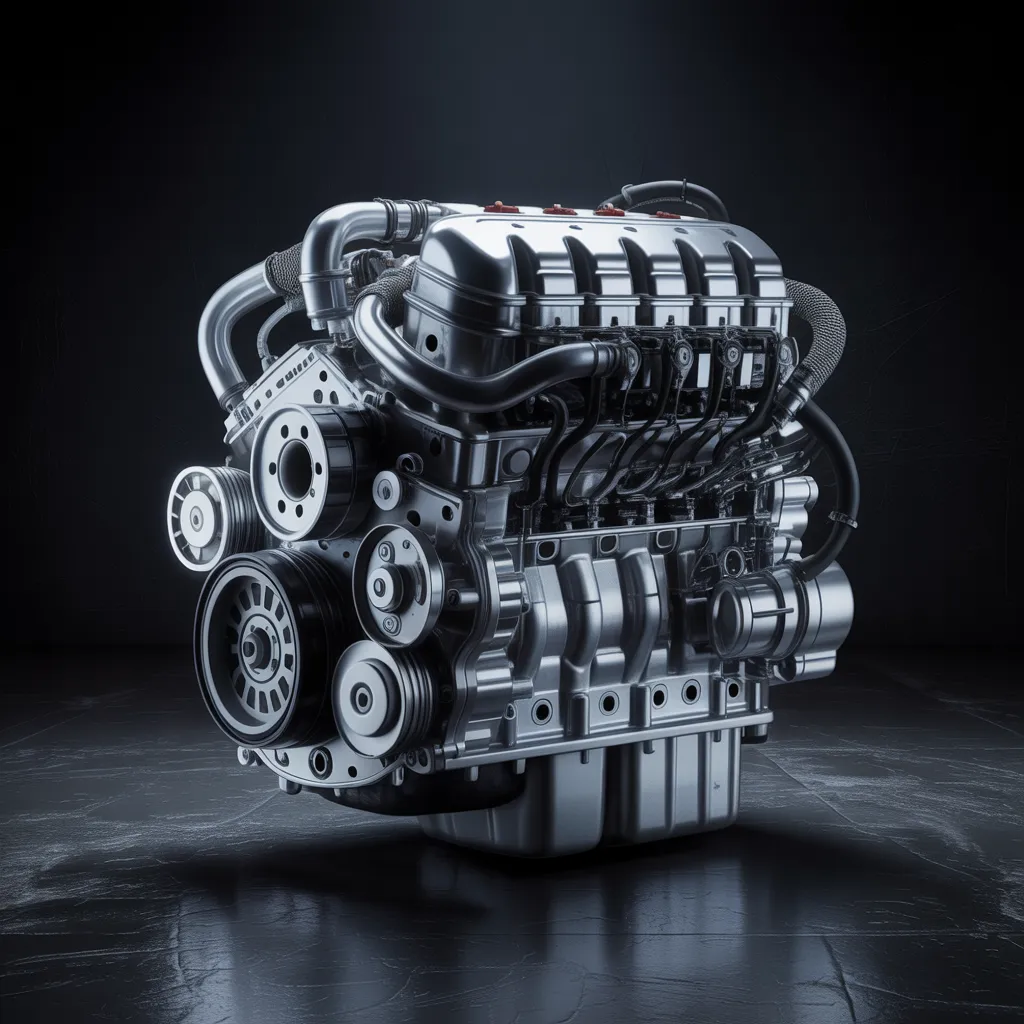
Must-Have Engine Upgrades for Your Jetta 4
When exploring critical engine upgrades for the Jetta 4, enthusiasts often prioritize enhancements that maximize output and effectiveness. Among the most popular upgrades is the installation of a performance air intake system. This improvement boosts airflow to the engine, allowing it to breathe better and optimizing throttle performance. Additionally, fitting a high-performance exhaust enhances exhaust flow, which can deliver improvements in horsepower and torque.
Another key upgrade is the engine control unit tuning, which fine-tunes fuel maps and ignition timing for better overall performance. This tuning can significantly improve overall drivability and acceleration. Fitting a bigger intercooler is also beneficial, particularly for forced induction models, as it works to reduce intake temperatures and enhance efficiency. Lastly, considering a lightweight flywheel can decrease rotational weight, facilitating quicker engine revs and enhanced performance. Combined, these modifications establish a solid foundation for a stronger and more efficient Jetta 4 engine.
Choosing the Top Performance Parts for Your Jetta 4
When upgrading a Jetta 4 engine, selecting the right performance parts is critical for achieving ideal results. Knowing the fundamental performance components can greatly enhance engine performance and output. This section will explore important modifications that can elevate the overall performance.
Engine Upgrades Overview
Enhancing the engine of a Jetta 4 can significantly boost its overall performance and ride quality. Selecting the right performance components is essential for reaching the intended outcomes. Possible modifications feature turbochargers, high-flow air intakes, and performance exhaust systems, all of which provide increased horsepower and torque. Furthermore, adjusting engine management software can improve fuel delivery and ignition timing, further enhancing performance. Before pursuing modifications, it is important to assess compatibility with existing components and driving preferences. Investigating trusted suppliers and gathering user reviews can aid in making informed decisions. At the conclusion, a thoroughly developed engine upgrade strategy can lead to significant improvements in acceleration, efficiency, and overall driving enjoyment. Diligent evaluation confirms that enhancements correspond to individual goals for the Jetta 4.
Critical Performance Components
Selecting the right upgrade components for a Jetta 4 is critical to reaching ideal gains in performance and fuel economy. Essential upgrades include a high-performance air intake system, which improves airflow and enhances engine breathing. Coupled with a performance exhaust system, this pairing can considerably lower back pressure, allowing for enhanced exhaust flow and greater horsepower. Installing a performance intercooler helps maintain optimal air temperatures, further boosting engine performance. Additionally, a reprogrammed engine control unit (ECU) can enhance ignition timing and fuel delivery for increased power output. Lastly, incorporating performance suspension upgrades, such as high-performance shocks and springs, boosts overall handling and stability, making certain that the Jetta 4 can fully harness its enhanced power on the road.
Exhaust Systems: How to Choose the Best for Sound and Performance
As many automotive enthusiasts place emphasis on performance, the choice of an exhaust system can heavily affect both power and sound in a Jetta 4. Switching to a performance-grade exhaust can boost engine effectiveness by decreasing restrictive back pressure, allowing for improved airflow. This enhancement in airflow not only boosts horsepower but also results in a more pronounced exhaust tone that numerous drivers desire.
When picking out an exhaust system, available options include axle-back systems, cat-back systems, and headers. Every option delivers distinct benefits and sound characteristics, from rich, bass-heavy growls to piercing high-pitched sounds. Material choice also plays a significant role; stainless steel is preferred for durability and resistance to corrosion.
At the end of the day, the optimal exhaust system balances acoustics and power output, accentuating the Jetta 4's characteristics while meeting the driver's personal preferences. Careful consideration of these elements ensures a satisfying upgrade that improves both the overall driving experience and the car's appeal.
Turbocharging vs. Supercharging Your Jetta
When evaluating how to substantially improve the performance of a Jetta 4, tuners often weigh the benefits of turbocharging versus supercharging. Turbocharging harnesses exhaust gases to rotate a turbine, compressing air entering the engine, which amplifies engine power without substantially adding to engine displacement. This technique commonly produces better fuel efficiency and lower emissions, making it a preferred selection among automotive tuners.
On the other hand, a supercharger directly draws power directly from the engine's crankshaft, providing immediate boost. This produces instant throttle response and reliable power delivery across the entire RPM range. Nevertheless, superchargers can lower the engine's overall efficiency due to parasitic drag.
In the end, choosing between turbocharging and supercharging is a matter of individual preference. Turbochargers are often favored by those who value fuel efficiency and top-end power, while superchargers attract those desiring immediate performance. Every choice comes with its own set of strengths, giving Jetta 4 owners the flexibility to fine-tune their vehicles according to their preferred driving style.
How to Improve Your Jetta's Performance With ECU Remapping
Enhancing a Jetta's engine performance through ECU remapping can significantly improve torque and horsepower. This procedure includes adjusting the ECU's software to enhance ignition timing, fuel delivery, and boost pressure. By fine-tuning these settings, drivers can enjoy better acceleration and improved overall performance.
Before getting started, it is important to find a reliable tuning professional or employ trusted software tailored for Jetta models. Every vehicle may require specific adjustments depending on its upgrades and purpose.
Furthermore, recording data throughout test drives can provide valuable insights, permitting further improvements in the tuning process.
Once the remapping has been completed, drivers ought to perform comprehensive assessments to verify that the improvements in performance do not undermine engine dependability. This careful approach guarantees that the Jetta delivers a balanced blend of power and efficiency, unlocking the full potential of the modified engine without compromising its long-term reliability.
Maintenance Tips for Your Upgraded Jetta 4 Performance
Regular maintenance is essential for optimizing the capabilities of a performance-enhanced Jetta 4. Drivers should make regular oil changes a priority, utilizing premium synthetic oil to ensure maximum engine lubrication and operational efficiency. Routinely checking and changing air filters is essential, as a clean filter promotes better airflow and enhances engine performance.
In addition, maintaining proper tire pressure and alignment promotes superior handling and increased fuel efficiency. Monitoring and changing spark plugs at suggested intervals can also enhance overall ignition effectiveness, thereby influencing overall vehicle performance.
It is essential to monitor the vehicle's coolant levels and confirm the cooling system is working effectively to reduce the risk of overheating. Routine inspections of the braking system and suspension elements are critical to performance and safety.
Lastly, using premium fuel can help enhance engine performance, particularly following substantial upgrades. By following these service recommendations, Jetta 4 enthusiasts can benefit from sustained performance from their modified vehicles.
Common Questions and Answers
What Is the Average Cost of Upgrading a Jetta 4 Engine?
The standard cost of enhancing a Jetta 4 engine typically ranges from $1,500 to $5,000, influenced by the specific modifications, parts chosen, and labor involved, demonstrating diverse performance goals and individual requirements.
Can I Perform Upgrades Myself, or Should I Hire a Professional?
Upgrades can be done on your own if the operator possesses adequate mechanical skills and tools. Nevertheless, consulting a professional is advisable for anyone without sufficient experience, providing the best possible results and decreasing the potential for mistakes during the process.
How Do Upgrades Impact My Jetta's Warranty
Aftermarket changes can potentially nullify a Jetta's warranty, particularly when they affect critical engine parts. It is important for Jetta owners to thoroughly read warranty documentation and speak with certified dealers to understand which modifications may influence their warranty coverage.
What Are the Most Common Mistakes to Avoid When Upgrading an Engine?
Frequent errors during engine upgrades include neglecting compatibility, undervaluing the complexity of installation, failing to account for required supplementary modifications, failing to research reliable parts, and disregarding essential tuning needs. These errors can lead to suboptimal performance and potential engine damage.
How Do I Confirm That My Upgrades Are Street Legal?
To confirm modifications stay road compliant, individuals should study local laws, select compliant parts, obtain necessary permits, and seek expert guidance. Regular inspections can also help maintain adherence to safety and emission requirements.
To Conclude
In conclusion, upgrading the Jetta 4 engine provides a route to enhanced performance and driving enjoyment. By strategically implementing key upgrades—such as better air intake, upgraded exhaust systems, and precision engine tuning—owners can access significant power and efficiency gains. Strategic sourcing of premium parts and routine maintenance also confirms that these upgrades deliver dependable performance. In helpful information the end, a well-upgraded Jetta 4 not only provides an exciting driving experience but also stands the test of time on the road.